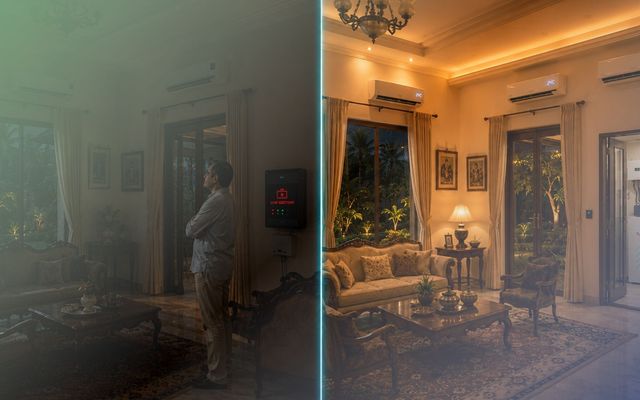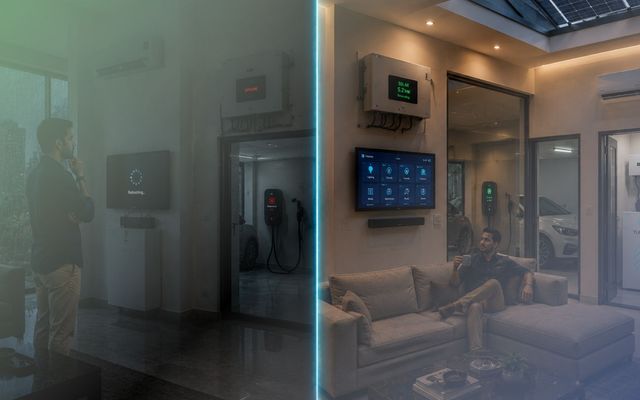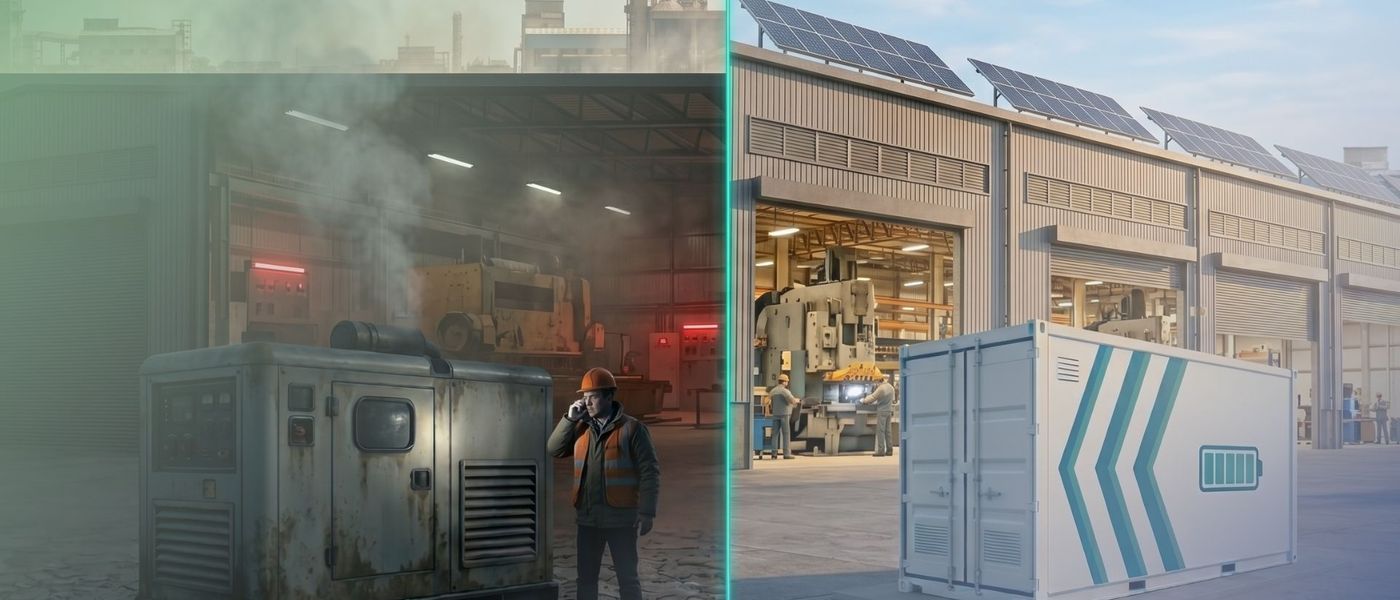
Bhubaneswar has transformed significantly over the past decade. The city is no longer just Odisha's administrative capital - it is an emerging industrial and technology hub, with a growing cluster of manufacturing units, IT parks, food processing facilities, and engineering companies spread across areas like Mancheswar Industrial Estate, Chandaka, and the Infocity corridor. For factory owners here, operational costs matter. And one of the most persistent cost items, month after month, is diesel.
The power situation in Bhubaneswar for industrial consumers
Bhubaneswar is served by TP Central Odisha Distribution Limited (TPCODL), the Tata Power-managed DISCOM that took over from the erstwhile CESU. While grid infrastructure in the city has improved meaningfully over the years, scheduled maintenance outages remain a routine feature. TPCODL publishes planned outages regularly - affecting different parts of the city on different days - and unscheduled faults from feeder failures, transformer issues, and monsoon-related damage add to the total outage count.
For a factory running a continuous or near-continuous process, even two to three hours of grid downtime per week adds up to significant generator runtime over a month. In summer, when temperatures in Bhubaneswar regularly exceed 40°C and grid load surges, the frequency and duration of outages tends to increase. Factories that run sensitive equipment - CNC machines, food processing lines, packaging units - cannot afford to wait out a grid failure. The generator starts, and the diesel meter starts running.
What diesel costs a Bhubaneswar factory in real terms?
The all-in cost of running a diesel generator - fuel at current market prices, engine oil, filters, and routine maintenance - works out to ₹22–25 per unit. Against TPCODL's industrial tariff under the OERC order effective April 2025, LT industrial consumers pay ₹6.20 per unit, while HT consumers are billed on a kVAh basis with demand charges of ₹250 per kVA (OERC tariff order FY 2025-26). Current tariffs are retained from FY 2024-25 levels, providing a stable baseline for comparison.
The gap - approximately ₹16–18 per unit between diesel and grid - is the direct cost of every unit generated by the generator instead of drawn from TPCODL.
For a mid-size Bhubaneswar factory with a 150 kW load running a generator for four hours a day:
- DG cost: 150 kW × 4 hrs × ₹23/unit = ₹13,800/day
- Grid equivalent: 150 kW × 4 hrs × ₹6.20/unit = ₹3,720/day
- Daily overpayment: ~₹10,080
- Monthly overpayment: ~₹3 lakh
For factories running heavier loads or longer generator hours - common in food processing and engineering units - these numbers scale up quickly.
The maintenance overhead that follows high DG runtime
Diesel generators in frequent use accumulate service hours faster than most factory maintenance schedules anticipate. A generator running four hours daily logs around 120 hours per month - hitting a major service interval (oil change, filters, injector check) every four to five months rather than the once-a-year schedule most facilities plan for.
In Bhubaneswar's climate - high humidity year-round, extreme heat in summer, heavy rains in monsoon - generator components age faster than in moderate climates. Air filters clog more quickly, coolant systems work harder, and alternator windings are more susceptible to moisture. An unplanned generator failure during a grid outage means no power at all - and for a food processing unit or a packaging line, that translates directly to spoiled material and missed dispatch timelines.
These maintenance costs rarely get attributed to diesel on the monthly P&L. They sit in a separate maintenance budget line, making the true cost of DG dependence higher than the fuel invoices alone suggest.
The ToD dimension - new from July 2025
Odisha introduced ToD tariffs for industrial consumers effective July 1, 2025. Under the new structure, industries that draw beyond their contract demand during peak hours face penalties, while those who shift load to solar hours (daytime) are eligible for rebates. This adds a new financial dimension to energy management for Bhubaneswar factories - and one that a BESS is well-positioned to address alongside the diesel replacement benefit.
A BESS that charges during solar hours at the rebated tariff and discharges during peak hours allows a factory to optimise across both the DG replacement saving and the ToD structure simultaneously.
How BESS changes the cost structure
A BESS charges from the grid at ₹6.20 per unit (LT industrial) and delivers that stored electricity during grid outages or peak periods, at a total delivered cost of approximately ₹8.70–9.20 per unit - the source rate plus ₹2.50–3.00 per unit for the system. Against ₹22–25 for diesel, the saving per unit is ₹13–16.
The operational change is also significant. When the grid fails, the BESS switches over in milliseconds - no startup delay, no interruption to machinery, no fuel consumption. The generator, if retained for extended outages, runs far fewer hours per month. Maintenance intervals stretch out, fuel bills drop, and the unpredictability of unplanned generator failures is substantially reduced.
For factories with rooftop solar - increasingly common in Bhubaneswar's industrial zones given Odisha's high solar irradiance - BESS adds a further benefit: solar generation that currently stops when the grid fails can be stored and used through outages, extending the backup window without any additional diesel.
Where to start the evaluation
Three numbers from your own operations will tell you whether BESS makes financial sense for your Bhubaneswar facility:
- Annual diesel expenditure - fuel plus maintenance, pulled from the last 12 months of invoices
- Daily generator runtime - average hours per day, separated between outage-driven use and planned supplementation during peak load
- Load profile - whether your heaviest consumption falls during grid-available hours or during outage windows
With these three data points, the saving from replacing DG hours with BESS can be calculated with reasonable precision for your specific situation.
Save on diesel generator costs with a BESS! Reach out to TurnoVolt to learn more.